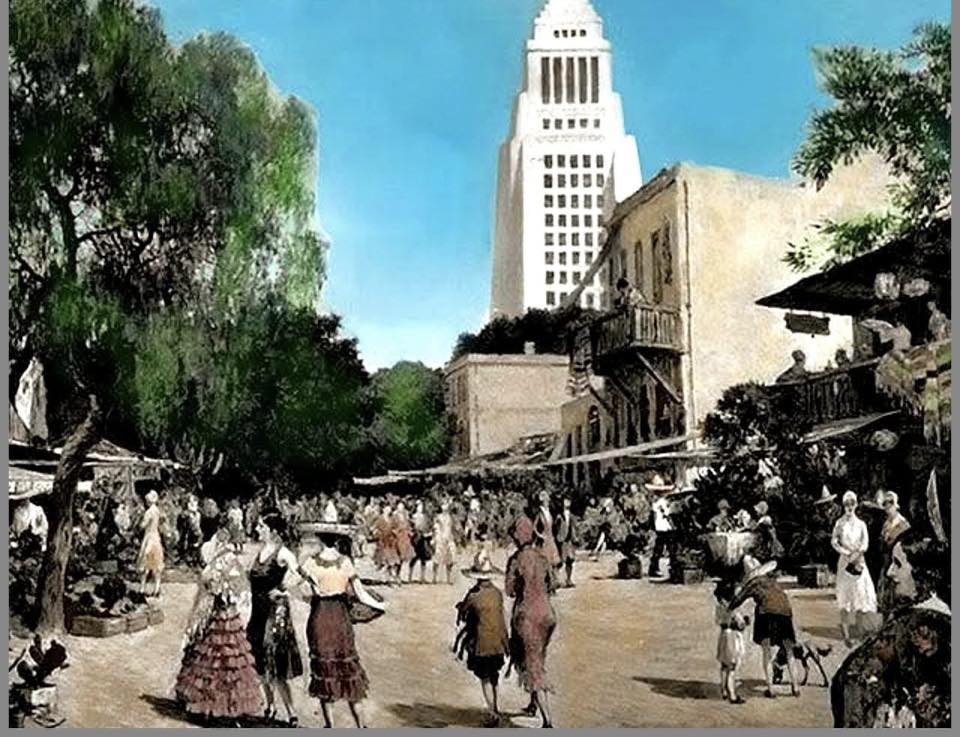
The Soul of Los Angeles: It Started Long Before the Lights of Hollywood
Los Angeles was founded in 1781 under the evocative name: “El Pueblo de Nuestra Señora la Reina de los Ángeles” — The Town of Our Lady the Queen of the Angels. Over time, as the city grew, the name was shortened to the iconic Los Angeles we know today.
Contrary to popular belief, this city didn’t start with a Hollywood dream. The 44 original settlers who arrived at what is now known as El Pueblo were a diverse and humble group of Spanish, African, Mexican, and Native American descent. Much like the L.A. of today, it was built by immigrants from all walks of life, searching for a fresh start.
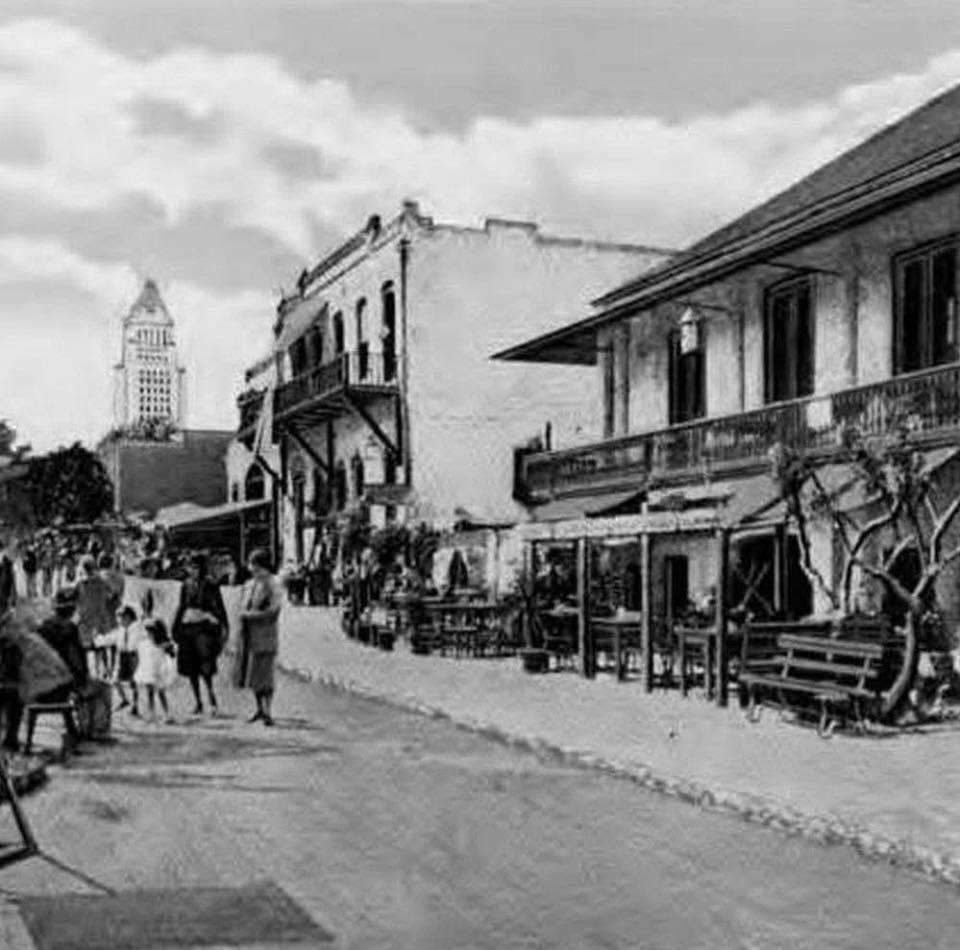
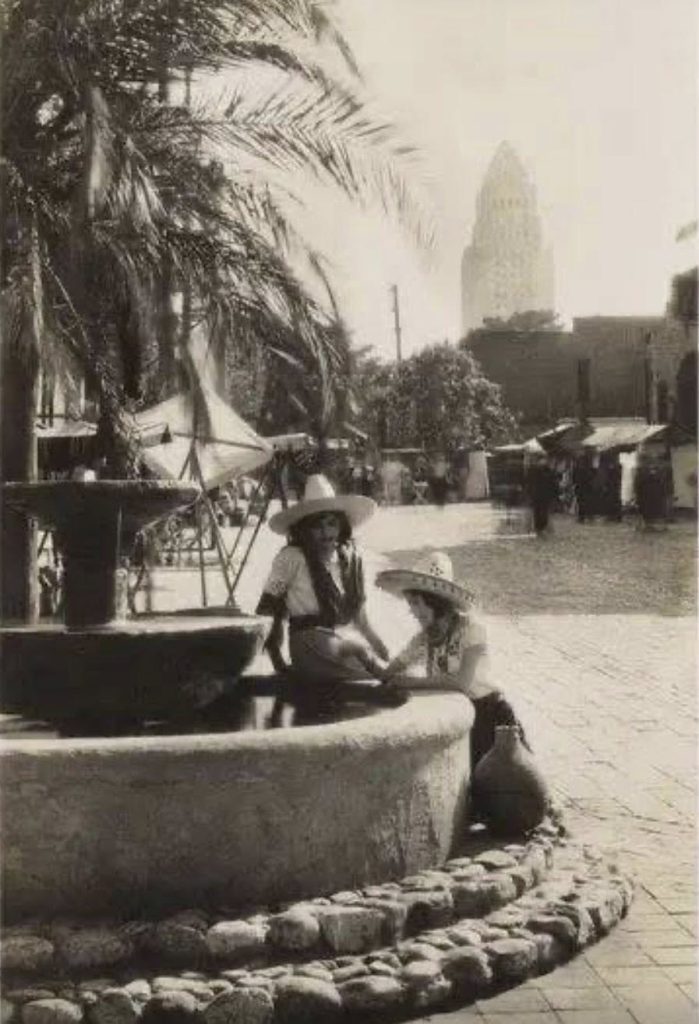
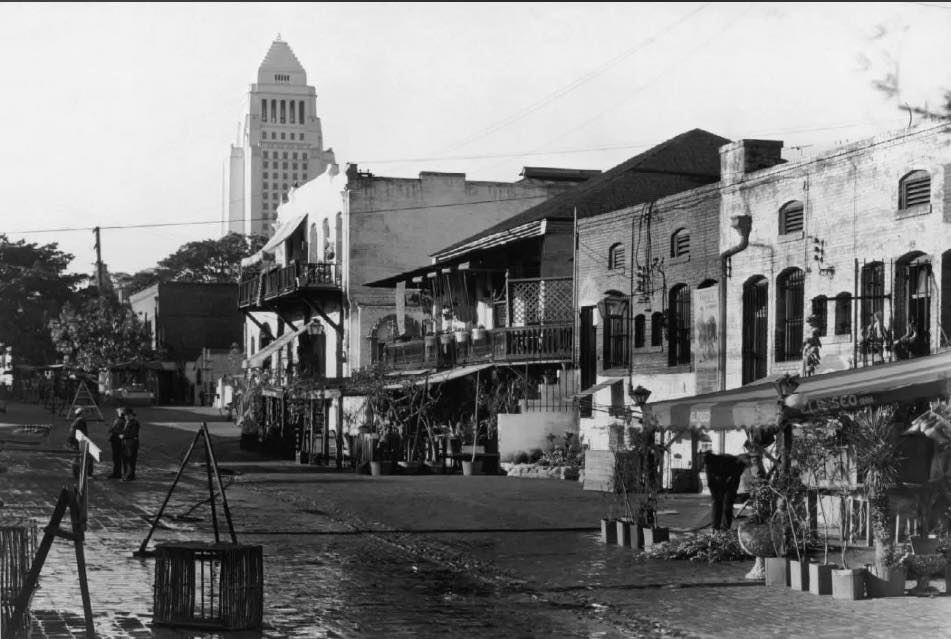
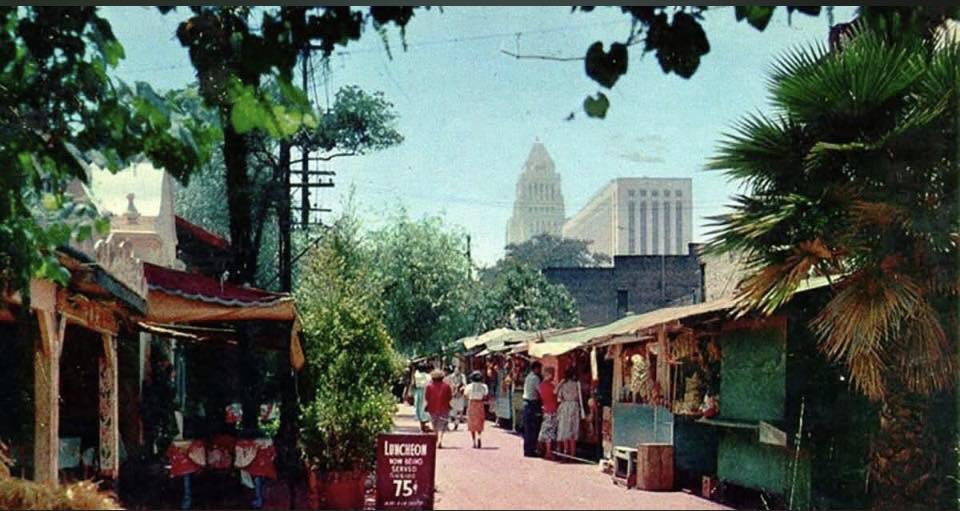
This area, now a protected historic monument, was once the beating heart of the entire city. It was the center of everything: the marketplace, the church, and the local festivals. If you look at that simple adobe structure, the Avila Adobe, you’re looking at the oldest standing residence in Los Angeles, built in 1818 when the population was just a few hundred people. Nearby Olvera Street, today a vibrant corridor of colorful stalls and live music, served as the city’s very first main street.
After 1848, when California became part of the United States, the city began to expand rapidly, and the urban center gradually shifted away. The modern skyline we see today, like the skyscrapers around Olive Street, belongs to a completely different era.
But what’s truly remarkable is that Los Angeles wasn’t born from glamour; it began as a dusty, small village where people from vastly different backgrounds tried to build a new life together. That raw, multicultural energy is still the soul of the city today.

On this day in 1942, renovation work at the crematorium in Auschwitz I was completed—marking a grim step in the camp’s increasing capacity for mass murder.
The underground flue duct connecting the furnaces to the chimney was repaired to improve ventilation. Above the engine room adjacent to the chimney, new walls and vaulting were constructed, and a mechanical fan was installed to enhance the draft needed for furnace operation.
Additionally, one of the corpse-loading trolleys used to transport bodies to the ovens underwent repairs.
These technical upgrades, while described in bureaucratic terms, were part of the expanding infrastructure of systematic extermination at Auschwitz. Each detail reflects the horrifying efficiency with which human lives were reduced to logistical operations.
 We remember the victims and reaffirm our commitment to remembrance and truth.


